Programs from our farm

Building together.
Learning that stays.

Explore the dome, treehouse and bread-oven programs developed through Fanpu’s farm-based education practice. Tell us about your setting to discuss a suitable format.

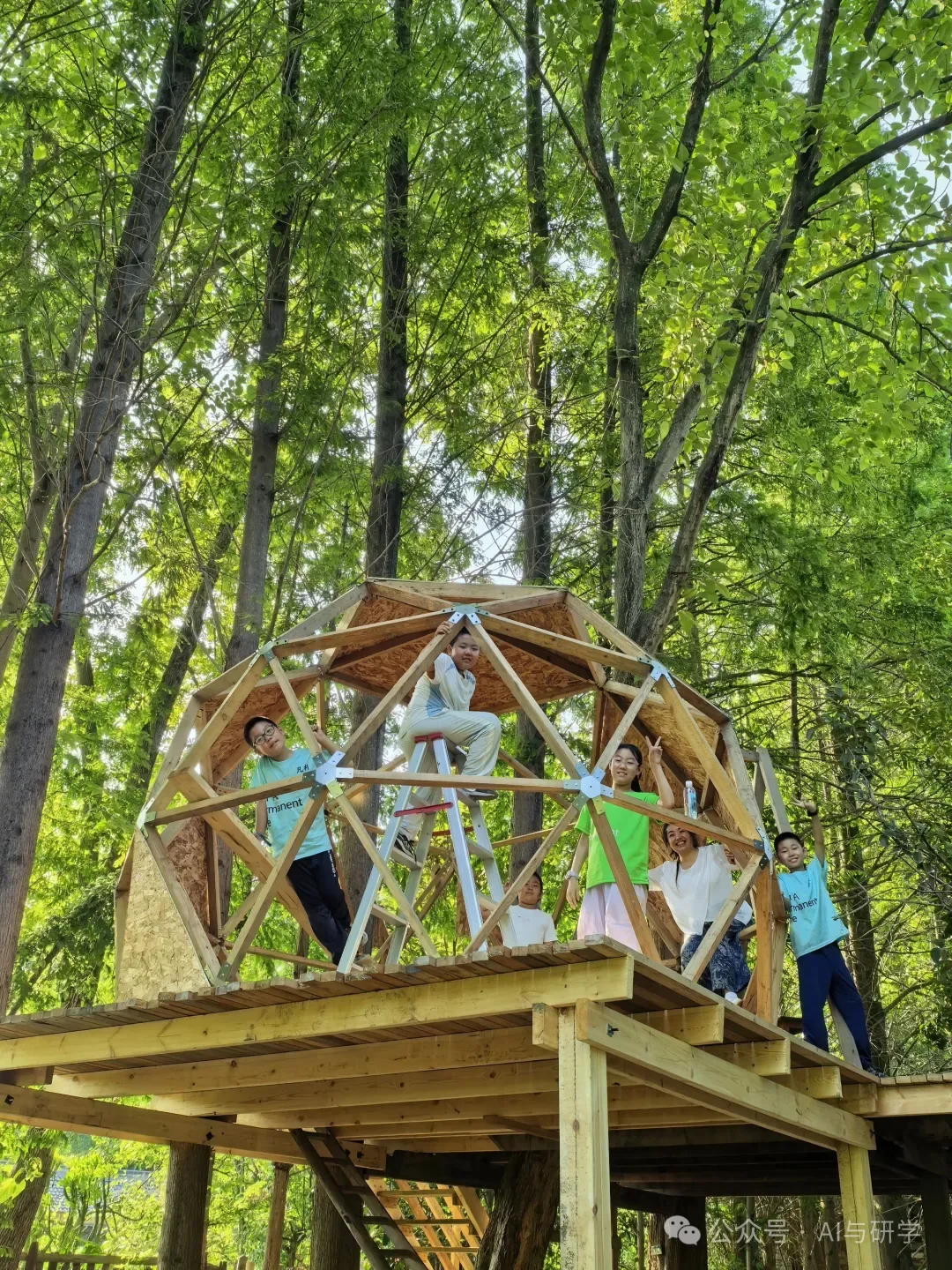
Dome building
Established program at Fanpu

Dome building

Geometry becomes a shared experience.

A hands-on program that follows a structure from individual components to a complete frame. Learners encounter geometry, materials and teamwork through real tasks.

  • Geometry & structural thinking
  • Materials, connections & assembly
  • Team roles, observation & reflection
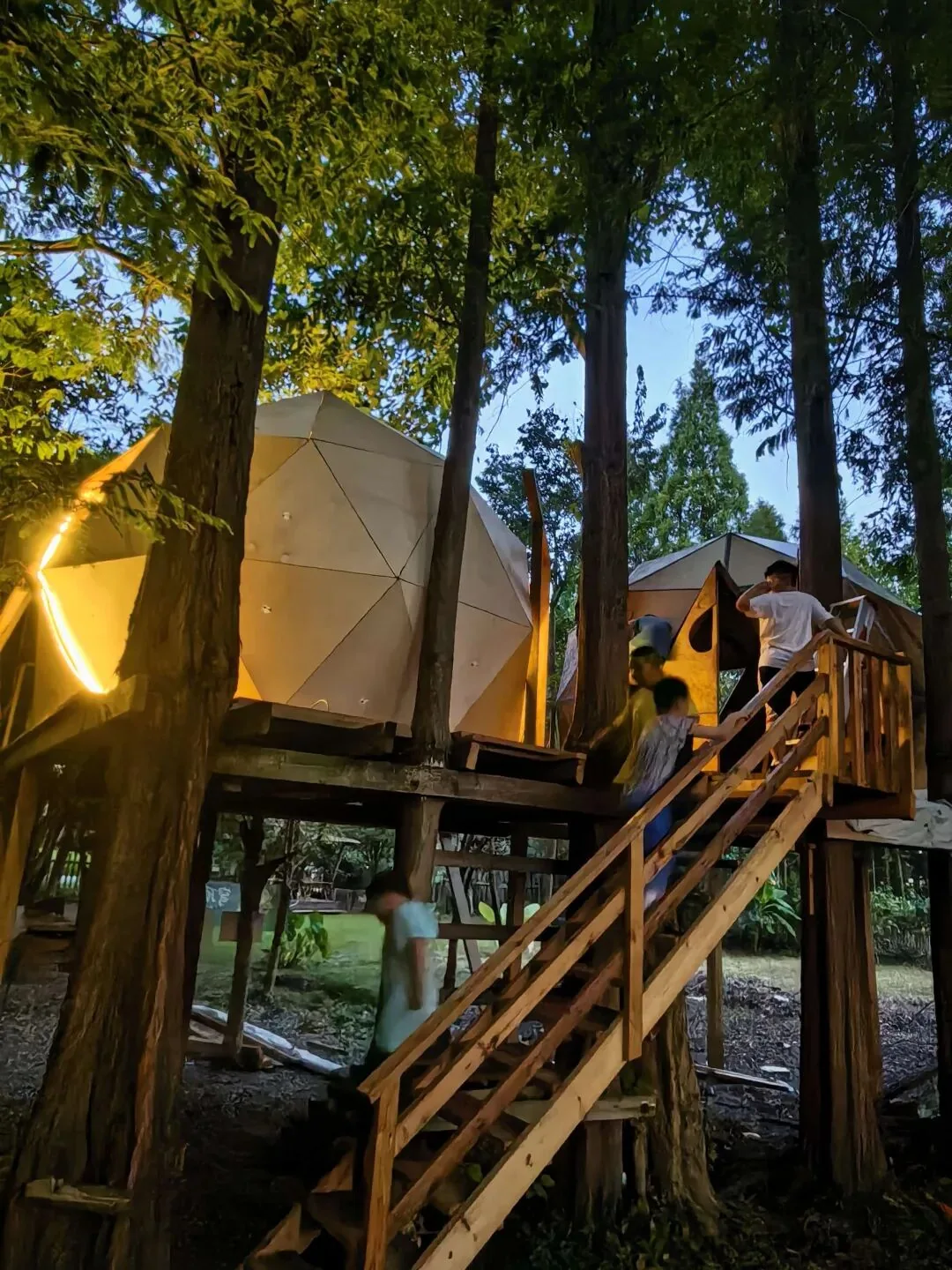
Dome & treehouse camp
Established program at Fanpu

Dome & treehouse camp

Imagine a place. Work out how to make it.

A camp program built around domes, treehouses and the experience of creating a shared place. Shelter becomes a way to explore design, construction and life together.

  • Shelter, scale & spatial imagination
  • Making, planning & collaborative work
  • Camp life & shared responsibility
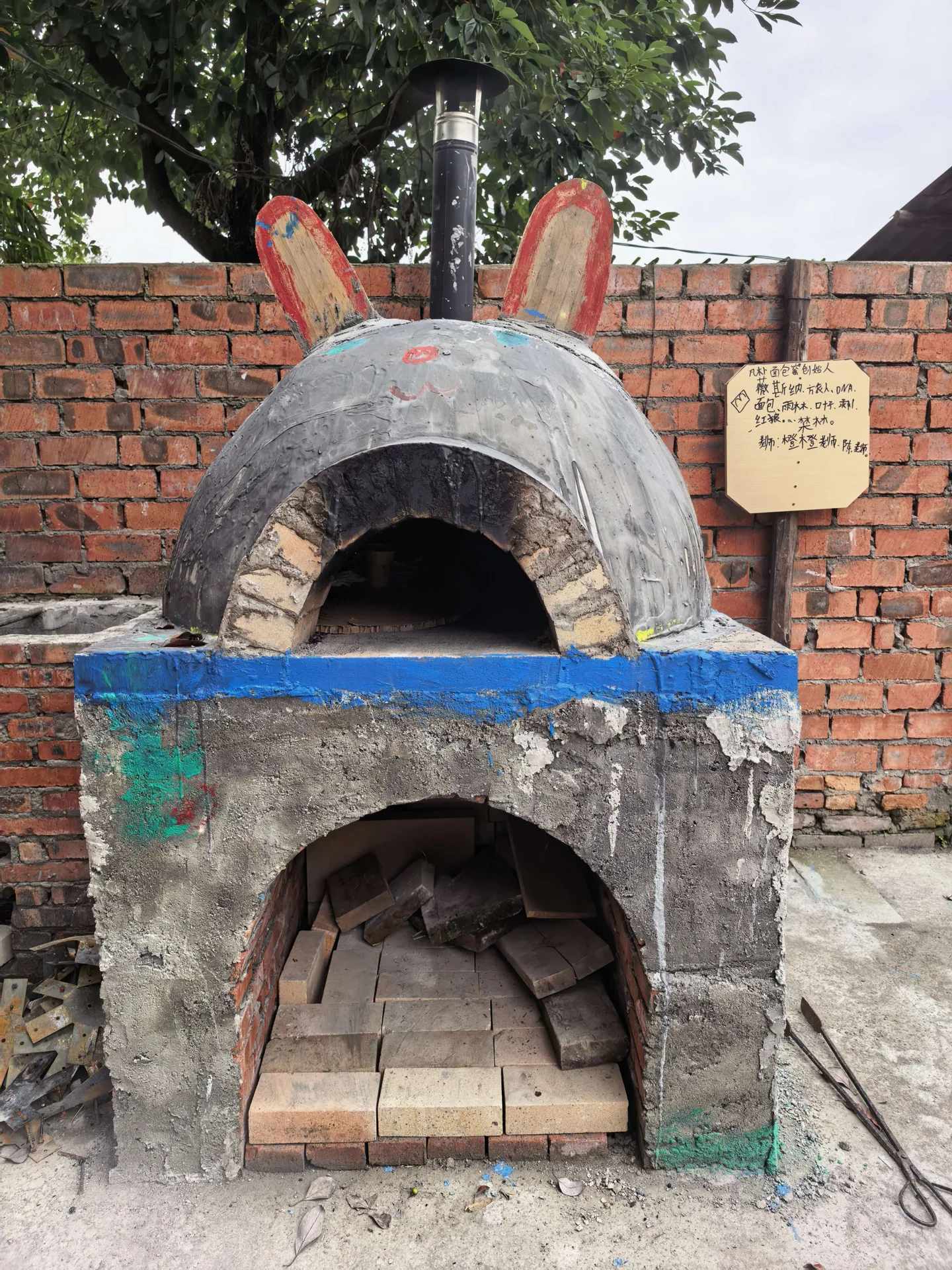
Dome & bread oven camp
Established program at Fanpu

Dome & bread oven camp

Build something that brings people together.

Construction meets food and fire. Through the dome and bread-oven theme, learners connect materials, heat and the experience of preparing and sharing food.

  • Oven form, materials & heat
  • Building and food exploration
  • Cooperation, preparation & sharing

Teaching support

Help the facilitator.
Help the experience.

A good activity needs more than a materials list. We develop guidance around preparation, learner roles, the building sequence and reflection. International delivery and teaching resources are discussed for each partnership.

What we discuss with you

LearnersAge & group experience
FormatWorkshop or multi-day camp
SettingSpace, tools & local materials
DeliveryStaff, resources & support

Illustrative teaching sequence

One build. Many questions.

This example shows the shape of a building session. The final program is adapted to age, time, space and supervision.

  1. Observe shapes and ask why a triangle holds its form.
  2. Identify the components and plan team roles.
  3. Follow the assembly sequence, pausing to check connections and progress.
  4. Describe a difficulty and explain how the group responded.
  5. Sketch or discuss a change for the next iteration.
Plan a session with us

A project starts with a conversation

What would you like
to build together?

Tell us about your project